
Skip to content
MeilleurArtisanMeilleurArtisan.ch
MeilleurArtisan/Guides/Romandy network
Romandy network

Artisans in French-speaking Switzerland

French-speaking Switzerland is not an abstract territory. A good project depends on a precise trade, a real commune, local availability and an artisan able to work in the right area.
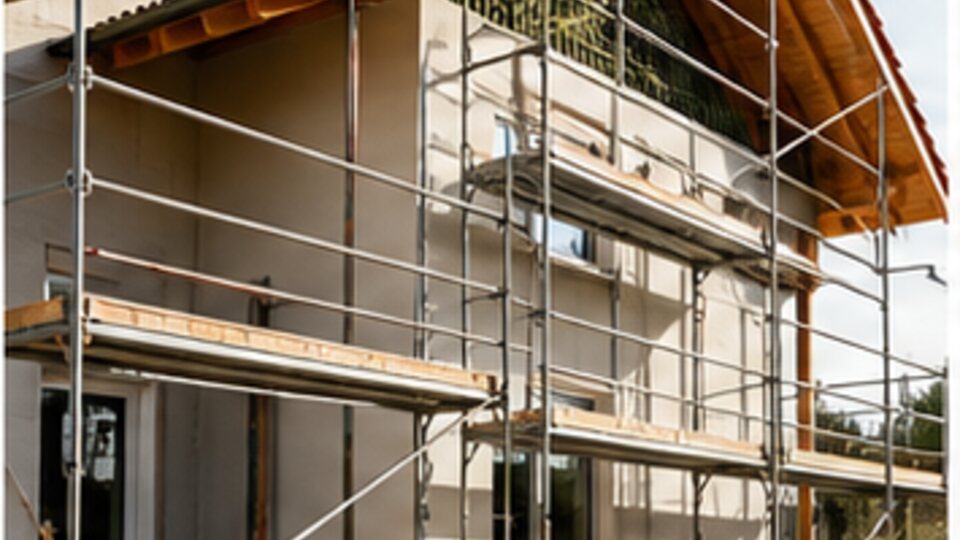
Renovation work in French-speaking Switzerland with a local artisan

Key points

661
Romandy communes
6
cantons covered
99
work categories

Canton-by-canton coverage, not a generic directory

Each local page must answer one intent: finding the right professional near the project. The network is structured around cantons, trades and priority communes.

  • Geneva, Vaud, Valais, Neuchâtel, Fribourg and Jura are treated as distinct trust areas.
  • Each trade links to local pages aligned with the real customer request.
  • The Romandy commune count follows the official 01.01.2026 register.

Why this precision reassures customers

A homeowner is not only looking for an artisan, but for someone who understands the canton, local constraints and property type.

  • Requests are better routed when the territory is clear from the start.
  • Proximity reduces unnecessary back-and-forth and speeds up contact.

Assess the situation before choosing a solution

A useful request starts with facts: work area, commune, building, access, occupancy and the observable situation. It does not replace a site visit, but supports a relevant first assessment.

  • Separate observations, assumptions and checks.
  • State access, occupancy and coordination constraints.
  • Plan a visit when safety, substrate or measurements are decisive.

Prepare, compare and coordinate

Compare scope, checks, exclusions and trade interfaces. Every contractor should receive the same brief so their responses remain understandable.

  • Ask what is included, excluded or to be confirmed after a visit.
  • Identify interfaces with other trades.
  • Inform occupants about real site constraints.

Acceptance, maintenance and boundaries

At acceptance, check the result, open items, records and next steps. This page never replaces a professional assessment, permit or diagnosis.

  • Check the result against the original brief.
  • Keep guidance and records useful for maintenance.
  • Report reservations or outstanding checks promptly.

Define an unambiguous scope

A clear scope states the result, areas, protection needs, known conditions and remaining checks. Observations never replace professional diagnosis.

  • Describe the expected result first.
  • Report anomalies as observations.
  • Ask which checks are needed at the visit.

Prepare a useful site visit

For a useful visit, prepare records, access details and known constraints. Photos complement a visit; they never replace it.

  • Do not present incomplete information as certain.
  • Confirm access and occupancy constraints.
  • Keep a short record of checks and interfaces.

Decide using useful criteria

Compare scope, open assumptions, checks, interfaces, responsibilities and delivery conditions.

  • Compare operations and exclusions.
  • Identify an owner for every trade interface.
  • Distinguish start conditions from confirmed steps.

Follow the project without replacing the professional

The client helps with access, information and traceable changes. Technical decisions and required checks remain with qualified professionals.

  • Report a change before it alters the work.
  • Keep a trace of approved adaptations.
  • Leave safety decisions, checks and permits to qualified people.

Trades related to your project

These pages support the same project when several trades or interfaces are involved.

Request in 3 steps

Receive artisan offers

Briefly describe what you need and we forward the request to relevant local companies.

1
2
3
Step 1/3 · What do you need?

By submitting, you agree to be contacted by partner artisans.
Started form details may be recorded so your request can be resumed.

Verified partnersYour choiceLocal offers

Frequently asked questions

Why show Romandy communes?
Because home improvement search is local. Customers need to know whether an artisan can actually work in their commune.

Sources and references

This page links to official or specialist Swiss sources. It does not replace technical, legal or tax advice.