
Gas boiler in French-speaking Switzerland
A project needs the right trade. This page helps prepare a clear request, compare relevant responses and plan a site visit when measurements or diagnosis are needed.
Key points
When to call this trade
The gas boiler handles the relevant work. Describe the expected result, current condition and building constraints so the request reaches a suitable company.
- State the commune, building type and site access.
- Include clear photos, approximate dimensions and decisions already made.
- Plan a visit when substrate, measurements or diagnosis are decisive.
Prepare a useful request
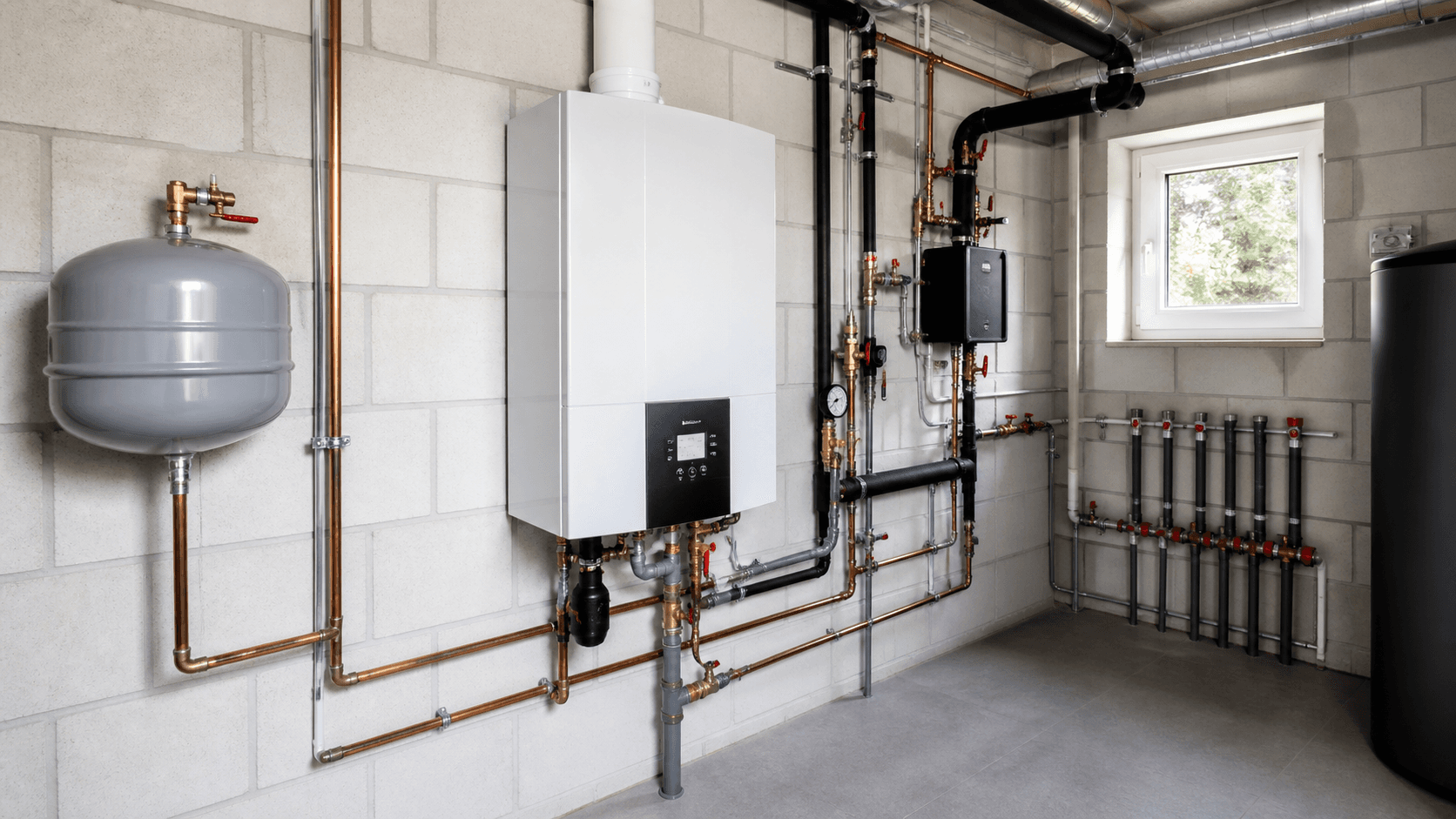
Before asking for quotes, gather les références de chaudière, les messages affichés, les photos du local, les émetteurs et les éléments de sécurité visibles. A structured request makes it easier to compare approaches, stated timelines and the exact scope of work.
- Separate immediate needs from a renovation project that can be planned.
- Ask what is included, trade interfaces and end-of-project checks.
- Do not carry out work yourself when it requires professional qualifications or checks.
Assess the situation before choosing a solution
Before selecting a solution, describe the situation, desired outcome, access and observable issues so the contractor can define the right scope.
- Separate observations, assumptions and checks.
- State occupancy, access and coordination constraints.
- Plan a site assessment when substrate or safety matters.
Prepare the project methodically
A useful request describes the goal, existing condition, supporting documents and trade interfaces so the contractor can plan the right checks.
- State the intended outcome rather than prescribe a solution.
- Attach readable evidence and pinpoint the work area.
- Ask who coordinates interfaces and final acceptance.
Checks, safety and professional boundaries
Depending on the building, professional work requires checks and clear responsibilities. This page never replaces a site visit, permit or specialist assessment.
- Have the required checks confirmed before work begins.
- Flag risks, occupants, difficult access and adjacent work.
- Keep useful records for acceptance and maintenance.
Compare like-for-like work
Compare scope, assumptions, exclusions, interfaces and acceptance criteria. Give every contractor the same brief so responses remain comparable.
- Compare scope and checks, not just labels.
- Clarify exclusions before choosing an intervention.
- Use the same brief for every contractor.
Organize the work and trade interfaces
Good coordination clarifies access, protection, sequence, occupancy and responsibilities before work starts. It does not replace site management, but prevents interface misunderstandings.
- Clarify what must be accessible, protected or shut down.
- Identify steps that depend on another trade.
- Inform occupants and flag real site constraints.
Acceptance, maintenance and next steps
At acceptance, check the agreed scope, use instructions, records and open items. Keep information that will help with maintenance or future work.
- Check the result against the original brief.
- Request useful operation and maintenance guidance.
- Document outstanding questions promptly.
Checklist before contacting a contractor
Before making contact, prepare a clear description, location, access details, photos, documents and known constraints. This does not replace diagnosis, but improves the first assessment.
- Describe the need, area, commune and use context.
- Prepare useful photos, readable documents and real constraints.
- Separate urgency, diagnosis and planned improvements.
Place this work in a renovation sequence
Place the work in the full sequence: prerequisites, interfaces, delivery, acceptance and possible future upgrades. This avoids preventable rework.
- List work that must come before, with or after this intervention.
- Ask which technical provisions will help future upgrades.
- Have local rules and required building approvals confirmed.
Decide after the useful checks
A sound decision relies on confirmed information, open checks, interfaces and responsibilities. Organisation never replaces professional assessment or permits.
- Compare announced operations, checks and limits.
- Assign every interface to an identified party.
- Keep a summary of decisions and follow-up items.
Useful pages
Trades related to your project
These pages support the same project when several trades or interfaces are involved.
Frequently asked questions
- Why choose a dedicated gas boiler?
- Because this type of project needs a clear scope, relevant skills and appropriate coordination with other work.
- Is a site visit needed before work starts?
- Yes when measurements, substrate condition, access, safety or interfaces with other work cannot be checked remotely.
Sources and references
This page links to official or specialist Swiss sources. It does not replace technical, legal or tax advice.